


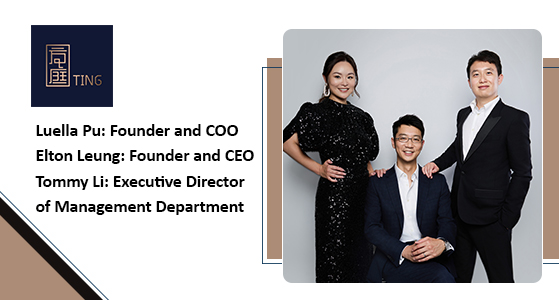
How the team at Fang Ting Properties approaches tenants, performance, and long-term value — with a spotlight on Executive Director Tommy Li
At Fang Ting Properties, the culture has always been built on one belief: behind every property is a person, and behind every well-performing portfolio is a team that never loses sight of that. Founded by Elton Leung and Luella Pu, the company has grown across a mixed portfolio of HMOs, residential units, and commercial spaces — all managed with the hands-on, relationship-first approach the founders established from the start. Central to delivering that approach, every day, is Executive Director of the Management Department Tommy Li.
“Tommy embodies what we’ve always believed property management should be,” says Elton Leung, Founder and CEO. “He brings a personal touch that’s genuinely rare in this industry. It shows in how our properties perform, and it shows in how people feel dealing with us. That’s not something you can train into someone — it’s who he is.”
Where the focus shifts
At Fang Ting Properties, the real work begins once a property leaves development and enters management.
Up to that point, the asset isn’t producing income. So naturally, the priority changes. The focus becomes stabilisation — getting the property occupied properly and turning it into something that generates consistent cash flow.
That comes down to getting the right tenants in, on terms that make sense, at a rent that holds over time.
“You’re moving from building something to making it perform.”
Different properties, same mindset
The portfolio isn’t uniform. It includes HMOs, residential units, and commercial spaces, and each comes with its own way of operating. A commercial tenant on a fully repairing and insuring lease is very different from a residential tenant. The level of involvement, the expectations, even the way communication works — it all changes.
But there is a common thread running through everything, rooted in the company’s founding values — what the team simply calls TLC.
With commercial tenants, that often means staying close to their business. Visiting, understanding what’s working and what isn’t. If it’s a restaurant, actually going there and supporting it. With residential tenants, it’s more about being available — keeping communication open, whether it’s something urgent or something small.
“The property matters, but the people in it matter more.”
Listening, and acting on it
One of Tommy’s most valued qualities is his instinct for listening to tenants — and then doing something with what he hears.
“Tommy constantly pays attention to how tenants are actually living in our properties,” says Luella, Founder and COO. “He brings their feedback back to our design team in a way that’s practical and thoughtful. Because of that, our spaces keep improving. It’s a feedback loop that makes the whole portfolio better over time.”
Setting expectations early
Clarity is vital even from the very beginning. Rather than just presenting the upside, they walk through the full picture — what can go right, what can go wrong, and what the risks look like. It’s not always the easiest conversation to have, but it avoids problems later.
“If everyone understands the reality from the start, things tend to run more smoothly.”
From there, it’s about consistency. Regular reporting, clear updates, and keeping everything visible so there are no surprises.
The part people don’t always see
When a property is handed over, the attention shifts to things that don’t always stand out on paper. It’s no longer about projections or build quality — it’s about how the place feels to live in.
That’s where the smaller details come in. Making sure switches, locks, and handles can handle daily use. Checking that showers are sealed properly, extractor fans work quietly, that there are no draughts, that heating systems are functioning as they should.
Individually, none of these are major decisions. Together, they shape the experience.
“It’s the small things that people notice once they move in.”
Getting the start right
Over time, one pattern has been consistent — the initial setup tends to have the biggest impact on how a property performs. If expectations aren’t aligned early, it creates tension later. In some cases, that turns into disputes that could have been avoided entirely.
That doesn’t mean ongoing management isn’t important — responding quickly and keeping communication open matters throughout. But the foundation matters most.
“If you get the beginning wrong, you spend the rest of the time fixing it.”
The role of relationships
A lot of what keeps things running smoothly doesn’t show up in reports. Relationships take time. They don’t scale easily, and they don’t produce immediate results. That’s why many companies move away from them.
But when something goes wrong — and it always does at some point — that’s when they matter. Where there’s trust, people communicate differently — they become more flexible and more willing to find a solution. Without it, even small issues risk escalating.
Choosing not to scale everything
Looking ahead, the direction is clear. There’s no push to become a large, heavily automated operation — the industry already has plenty of that. The focus stays on being more hands-on, more tailored, and more personal.
“We’re not trying to build a system where everything is automated. We’re trying to keep it human with personal touch.” – Elton Leung, Founder and CEO
That means growth is measured differently. Not just in numbers, but in how well properties are managed, how tenants experience them, and how relationships are maintained over time.
In the end, the approach is relatively simple. Properties perform better when the basics are done properly — getting the setup right, staying consistent, and paying attention to the people involved. The model isn’t complicated — but it demands time, attention, and people willing to stay close to the details. In Tommy Li, Fang Ting has exactly that.
Fang Ting Properties manages a portfolio of residential, HMO, and commercial properties across the UK.

