


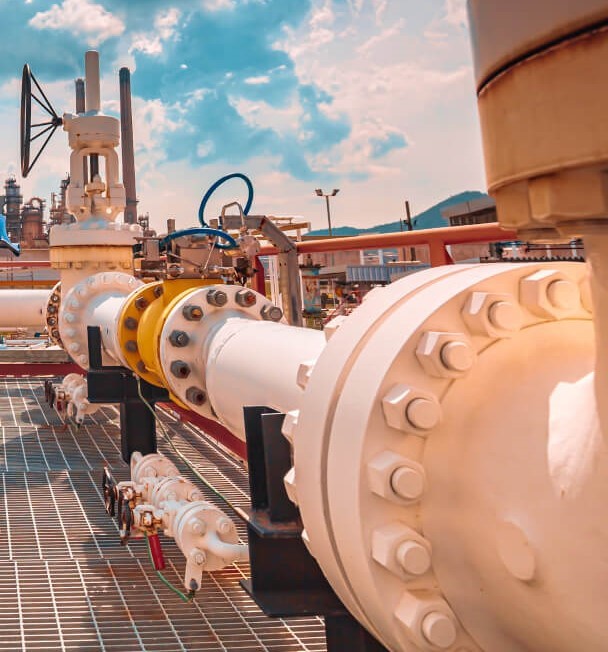
The oil and gas industry is undergoing a significant transformation, driven by advancements in technology. From exploration to production, new innovations are enabling companies to operate more efficiently, reduce costs, improve safety, and minimize environmental impact. Here are some of the key technology solutions reshaping the oil and gas sector:
- Digital Twins
Digital twin technology creates a virtual replica of physical assets such as pipelines, oil rigs, or entire oil fields. These digital models allow companies to monitor operations in real-time, predict maintenance needs, and optimize production, reducing downtime and enhancing overall efficiency.
- Artificial Intelligence (AI) and Machine Learning
AI and machine learning are revolutionizing how data is processed in the oil and gas industry. These technologies help in predictive maintenance, optimizing drilling operations, analyzing seismic data, and automating tasks that traditionally required manual intervention. AI-driven analytics can also improve decision-making by forecasting trends and identifying potential risks before they occur.
- Robotics and Automation
Robots and drones are increasingly being used in hazardous environments, such as offshore rigs or deepwater drilling sites. These technologies enhance safety by performing tasks like inspections, maintenance, and monitoring without putting human workers at risk. Automated drilling systems are also being developed to improve precision and reduce costs.
- Internet of Things (IoT)
IoT-enabled sensors and devices collect vast amounts of data from equipment and operations in real-time. These connected devices provide insights into temperature, pressure, and other critical parameters, allowing for remote monitoring and predictive maintenance. IoT technology helps prevent equipment failures, improve asset management, and streamline operations across the oil and gas supply chain.
- Big Data and Analytics
The oil and gas industry generates enormous amounts of data from exploration, drilling, production, and transportation. Big data analytics tools help companies make sense of this information, optimizing operations and improving decision-making. For example, data analytics can identify the most productive drilling locations or streamline supply chain management to reduce costs.
- Cloud Computing
Cloud technology enables oil and gas companies to store and process vast amounts of data more efficiently. Cloud platforms offer scalable solutions for data storage, collaboration, and advanced analytics, helping companies enhance operational efficiency and reduce IT infrastructure costs. It also facilitates easier sharing of data across departments and locations.
- Blockchain
Blockchain technology is transforming the oil and gas supply chain by improving transparency, security, and efficiency. It enables secure, real-time tracking of transactions, reducing paperwork and mitigating risks of fraud or errors. Blockchain can also streamline processes like commodity trading, contract management, and regulatory compliance.
- 3D Seismic Imaging
Advances in 3D seismic imaging technology are improving the accuracy of subsurface exploration. These high-resolution images provide detailed insights into underground formations, helping companies pinpoint oil and gas reservoirs with greater precision. This reduces the risks and costs associated with drilling dry wells and maximizes the recovery of resources.
- Advanced Materials
The development of new materials, such as high-strength alloys and corrosion-resistant coatings, is enhancing the durability and performance of equipment used in extreme conditions. These materials extend the lifespan of pipelines, rigs, and other infrastructure, reducing maintenance costs and improving operational reliability.
- Renewable Energy Integration
As the oil and gas industry shifts towards sustainability, many companies are exploring ways to integrate renewable energy solutions into their operations. Technologies like solar power, wind energy, and green hydrogen are being used to reduce carbon emissions and support cleaner, more sustainable energy production.
Conclusion
The oil and gas industry is embracing technology at an unprecedented pace, unlocking new efficiencies, reducing risks, and paving the way for a more sustainable future. By adopting these advanced solutions, companies can remain competitive in an evolving energy landscape while addressing the challenges of climate change, operational efficiency, and safety.

